
Search engine optimization has changed more in the last two years than it did in the previous decade — and the biggest reason is AI. From keyword research and content optimization to technical audits and SERP analysis, AI-powered SEO tools are reshaping how marketers, businesses, and creators compete online. Instead of guessing what Google wants, these tools analyze massive datasets, understand search intent more accurately, and generate strategic insights in seconds.
Today, AI SEO tools can help you discover hidden keyword opportunities, write highly optimized content, cluster topics automatically, and even predict which pages are most likely to rank. Whether you’re a blogger, an agency, an eCommerce brand, or a startup trying to grow organically, using the right AI tools is no longer optional — it’s a competitive advantage.
In this guide, we break down the best AI search engine optimization tools available in 2026, compare their features, and explain which ones are worth investing in depending on your goals and budget. By the end, you’ll know exactly which tools can help you improve rankings, increase traffic, and build a future-proof SEO strategy.
2. What to Look For in an AI SEO Tool
With so many AI-powered SEO platforms on the market, choosing the right one can feel overwhelming. Not all tools offer the same level of automation, accuracy, or real-world impact. To make a smart decision, you need to focus on features that actually improve rankings, content quality, and workflow efficiency.
Below are the essential capabilities to look for when evaluating any AI SEO tool:
1. Advanced Keyword Research & Clustering
A strong AI SEO tool should go beyond basic keyword suggestions. The best tools automatically group keywords into clusters, identify search intent, and highlight ranking difficulty. This helps you build stronger topical authority and plan smarter content strategies.
2. NLP-Powered Content Optimization
Natural Language Processing (NLP) enables tools to understand how Google interprets content. Look for tools that provide content scores, recommended terms, internal link suggestions, and SERP-based insights. These features help you craft articles that align with real ranking signals.
3. AI-Assisted Content Creation
Good AI tools don’t just generate generic text — they help you build accurate, well-optimized drafts based on competitor data, SERP analysis, and structured prompts. This saves time while maintaining quality and originality.
4. SERP & Competitor Intelligence
A powerful AI SEO tool should analyze the top-ranking pages and extract insights such as content structure, word count, headings, backlink profiles, and semantic gaps. This ensures every piece of content you create is competitive from day one.
5. Rank Tracking & Visibility Insights
AI-driven rank tracking helps you understand how your content performs over time. Some tools even detect ranking trends, predict movement, and recommend updates to keep your pages strong in the SERPs.
6. Workflow Automation
From automatic content briefs to link suggestions and audit reminders, automation is a key feature. It reduces manual tasks and lets you focus on strategy rather than repetitive work.
7. Integrations That Matter
The best AI SEO tools connect easily with platforms like:
- Google Search Console
- WordPress
- Shopify
- Webflow
- Google Docs
Smooth integrations make your workflow faster and more accurate.
8. Pricing and Scalability
SEO needs grow over time. Choose a tool that fits your current budget but can also scale with your business — whether you’re a solo creator, an agency, or an enterprise team.
Best AI SEO Tools in 2026 (Top Picks)
AI has reshaped the SEO landscape, and dozens of tools now claim to help you rank faster and work smarter. But only a handful truly deliver measurable results. Below are the most reliable and effective AI SEO tools in 2026, each selected based on accuracy, features, value for money, and real-world performance.
| AI SEO Tool | Best Use Case | Starting Price (Monthly) | Free Tier / Trial | Core Strengths |
|---|---|---|---|---|
| Semrush | All-in-one SEO + AI insights | ~$139.95 (Pro) | Yes (limited) | Full SEO suite, keyword research, AI tools, competitor analysis |
| SurferSEO | Content optimization & AI editing | ~$89 | No free tier (some trials) | Real-time optimization, NLP suggestions, SERP analysis |
| Clearscope | Enterprise content quality | ~$129 | No | High-accuracy content grading & recommendations |
| Frase | Research & content briefs | ~$39 | Yes (trial) | Automated briefs, AI writing assistance |
| MarketMuse | Strategy & topic authority | ~$99 | Yes (free tier) | AI topic modeling, content gaps, planning |
| NeuronWriter | Budget-friendly optimization | ~$23 | No free tier | Semantic SEO, competitor insights |
| Scalenut | Workflow + clustering | ~$49 | No | Topic clusters, AI SEO assistant |
| AlsoAsked | Question-based keyword expansion | ~$0–$49 | Often limited free | Maps “People Also Ask” questions |
Semrush – Best All-in-One AI SEO Suite
Semrush remains one of the most complete SEO platforms available today. With its powerful AI features, it helps you analyze competitors, discover ranking opportunities, track performance, and optimize content—all in one place.
Key AI Features:
- AI-powered keyword intent detection
- Smart content optimization suggestions
- Automated competitor insights
- Site audits with AI-driven recommendations
Pros: Extremely comprehensive, great for agencies and advanced users
Cons: More expensive than most competitors
Best For: Anyone who wants a full SEO toolkit backed by reliable AI insights
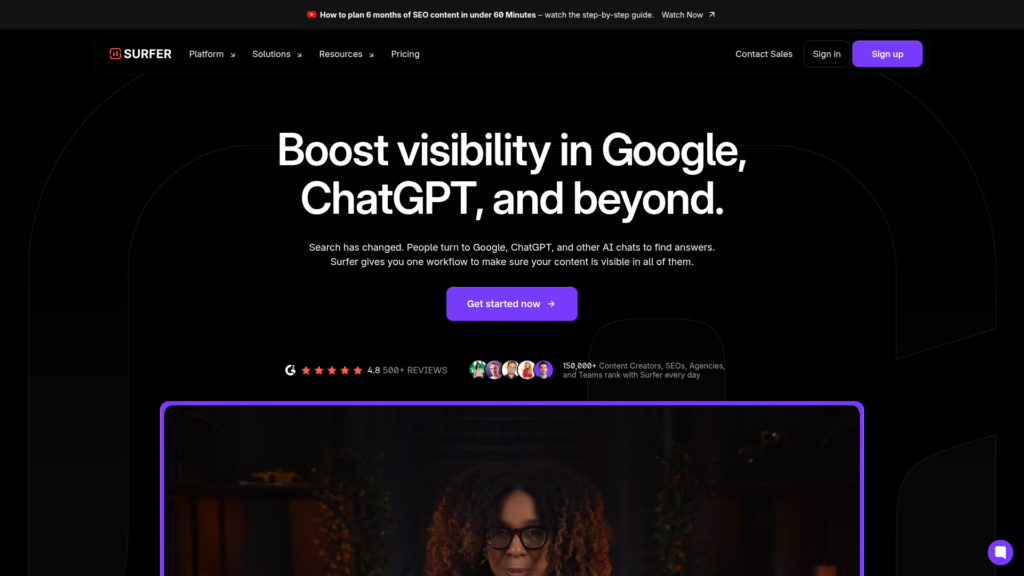
SurferSEO – Best for AI Content Optimization
SurferSEO is known for its precise content optimization engine. It analyzes top-ranking pages and gives you real-time suggestions to improve your content’s relevance and SEO score.
Key AI Features:
- Surfer AI for generating optimized content drafts
- NLP-based keyword recommendations
- On-page optimization score
- SERP-driven content structure
Pros: Accurate, easy to use, excellent for writers
Cons: Full features can become costly if scaled
Best For: Bloggers, agencies, and content teams focused on ranking new articles fast
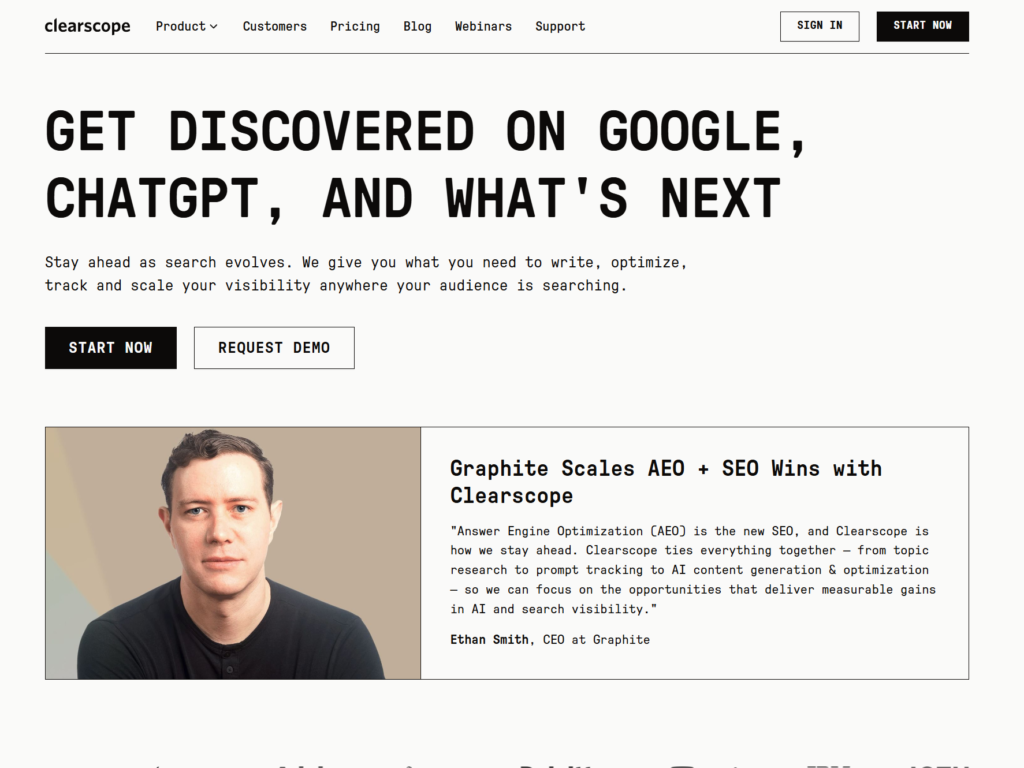
Clearscope – Best for Content Quality & NLP
Clearscope is a premium solution trusted by large brands for producing high-quality, deeply optimized content. Its NLP engine helps writers create articles that match Google’s expectations perfectly.
Key AI Features:
- Term recommendations based on real SERP data
- Content grading system
- Competitor content analysis
Pros: Very clean, highly accurate optimization tools
Cons: Expensive compared to other platforms
Best For: Professional content teams and businesses needing the highest-quality content
Frase – Best for Research & Brief Automation
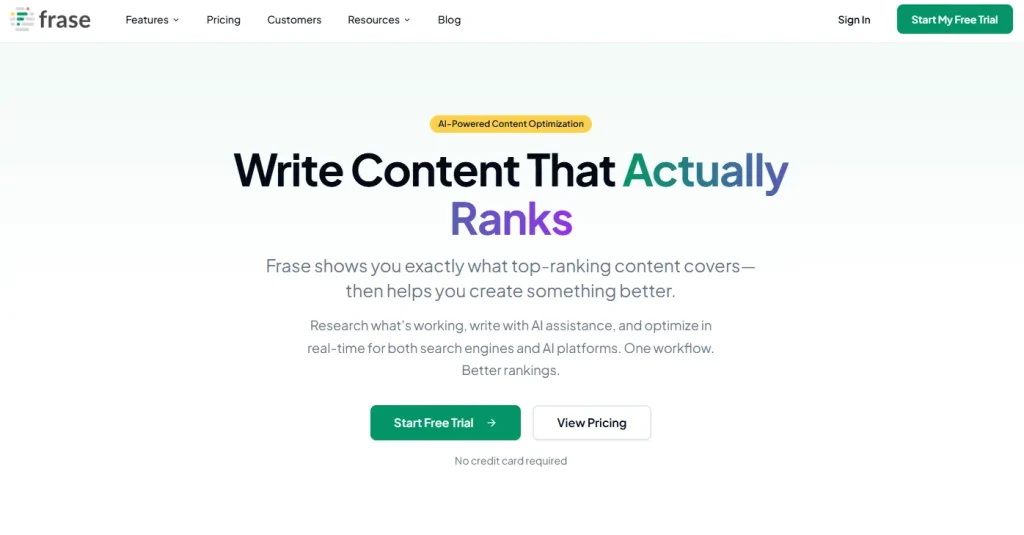
Frase excels at turning complex topics into structured, easy-to-follow content briefs. It’s great for accelerating the research process and helping writers understand search intent quickly.
Key AI Features:
- Automated content briefs
- AI writing assistant
- SERP analysis
- Content scoring
Pros: Strong research tools, very affordable
Cons: AI writing may need human editing
Best For: Writers and teams who want fast, research-backed content production
MarketMuse – Best for Enterprise Content Strategy
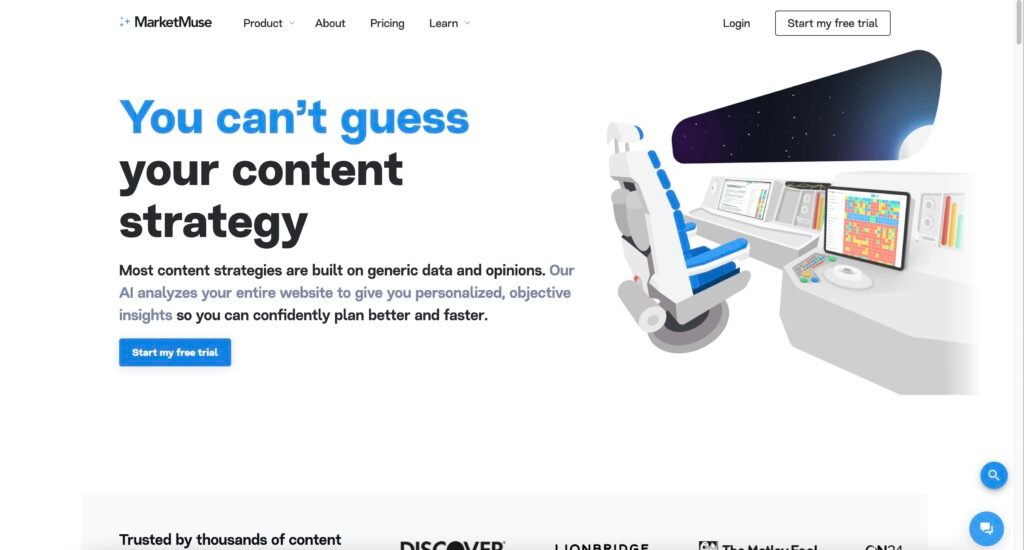
MarketMuse focuses on deep content analysis and long-term strategy. Its AI identifies gaps across your entire website and suggests the best opportunities for growth.
Key AI Features:
- AI-driven topic modeling
- Content quality grading
- Competitive landscape analysis
- Content inventory auditing
Pros: Exceptional for large websites and content-heavy industries
Cons: Too advanced and costly for beginners
Best For: Enterprise teams and high-volume publishers
Content Harmony – Best for Structured Content Briefs
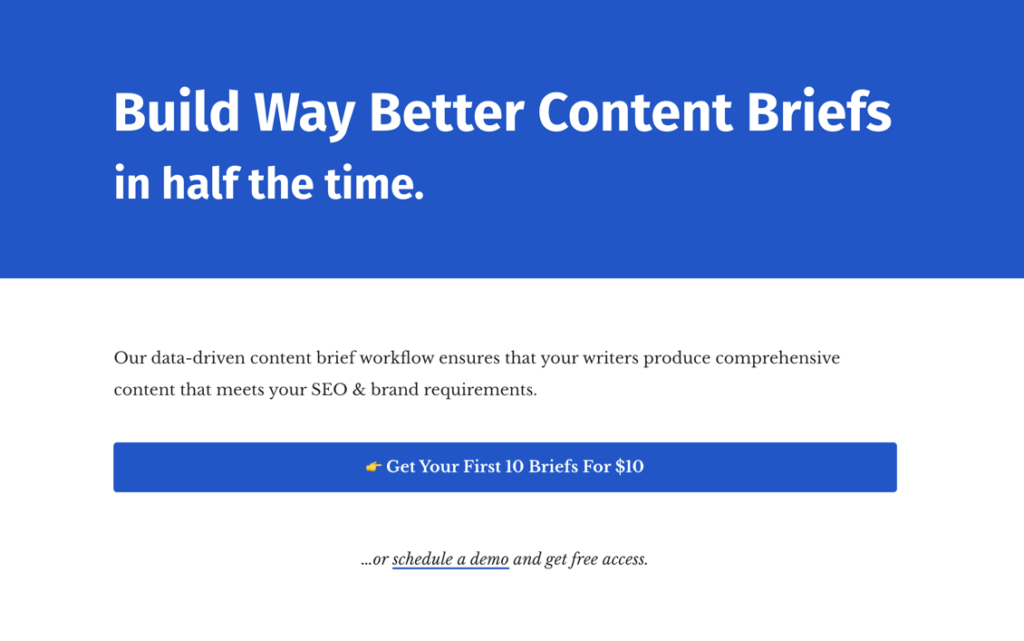
Content Harmony gives you a highly organized workflow for building content briefs. Its structured approach helps teams maintain consistency across all content.
Key AI Features:
- Automated content outlines
- Search intent classification
- Keyword topic grouping
Pros: Great workflow system, perfect for teams
Cons: Fewer full SEO tools compared to Semrush or Surfer
Best For: Agencies and teams that rely on standardized content briefs
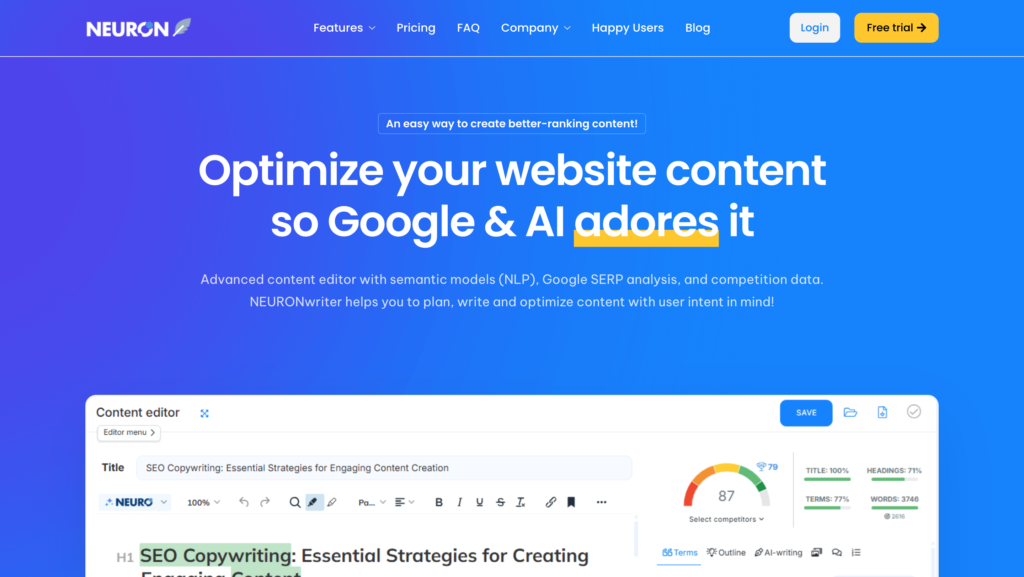
NeuronWriter – Best Budget-Friendly AI SEO Tool
NeuronWriter is one of the most cost-effective tools on the market. It delivers strong NLP optimization features without the high price tag.
Key AI Features:
- Semantic keyword suggestions
- AI writing assistant
- Competitor analysis
- Content scoring
Pros: Affordable, strong optimization tools
Cons: Interface can feel basic compared to Surfer or Clearscope
Best For: Freelancers, small businesses, and beginners
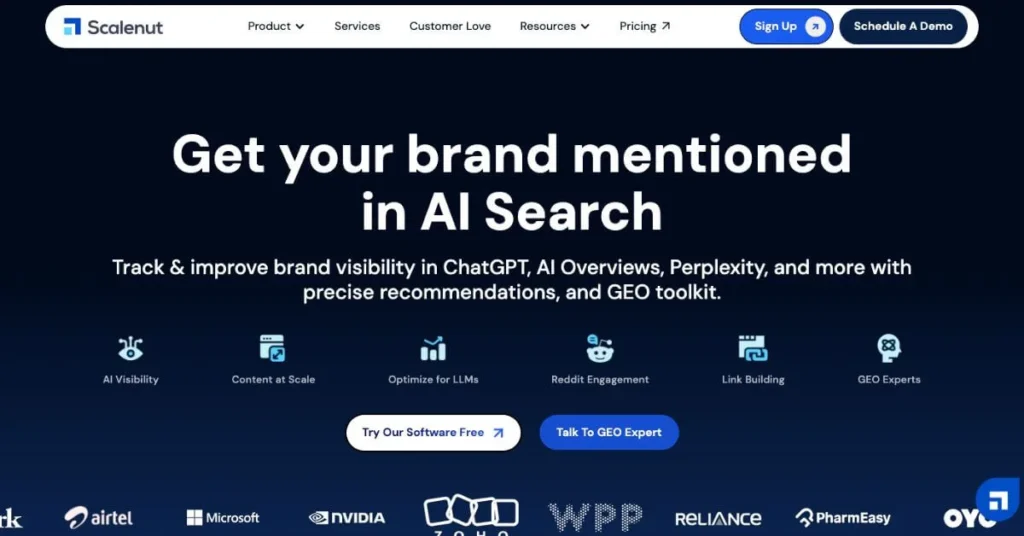
Scalenut – Best for Keyword Clustering & Search Visibility
Scalenut combines AI-driven content optimization with powerful keyword clustering and visibility tracking. It’s excellent for building topical authority.
Key AI Features:
- AI keyword clusters
- SEO writing assistant
- SERP insights
- Visibility scoring
Pros: Strong for long-term SEO planning
Cons: AI writing sometimes feels repetitive
Best For: Websites focused on building topic clusters and structured content plans
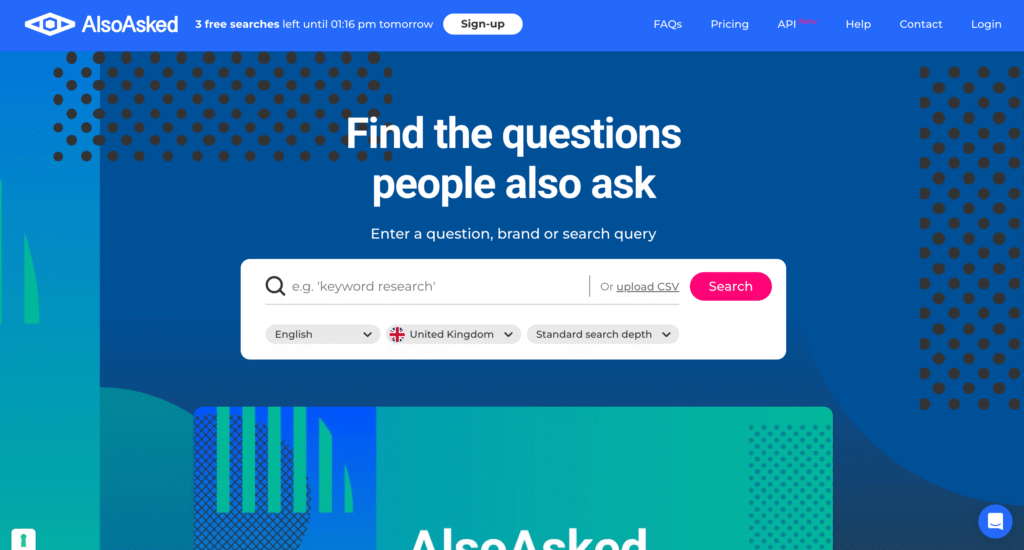
AlsoAsked – Best for Question-Based Keyword Research
AlsoAsked visualizes the questions people search around your main keyword, giving you an easy way to expand content and match user intent.
Key AI Features:
- Automated question mapping
- SERP-based data extraction
- Search intent clustering
Pros: Simple but powerful, great for FAQ content
Cons: Limited features beyond ideation
Best For: Writers who want to enrich their content with user-driven questions
Risks of Using AI in SEO
AI has become a powerful part of modern SEO, but using it without caution can create real problems for your website. Below are the biggest risks you should watch out for — and why balancing AI with human judgment is essential in 2026.
Generic or Shallow Content
AI can write fast, but it often produces content that feels:
- Repetitive
- Too broad
- Lacking real expertise
Google wants helpful, experience-based content. If your pages sound generic, they may struggle to rank.
How to avoid it:
Always review, edit, and add human insights to AI-generated text.
Over-Optimization
Some AI tools push too many keywords into your content, leading to:
- Keyword stuffing
- Unnatural sentences
- Poor user experience
This can hurt rankings instead of improving them.
How to avoid it:
Focus on natural writing, even if it means ignoring some optimization suggestions.
Inaccurate or Outdated Information
AI sometimes gets facts wrong or uses old data — especially in fast-changing industries.
How to avoid it:
Fact-check everything before publishing. Update stats and verify claims.
Relying Too Much on Automation
When you depend entirely on AI:
- You stop analyzing SERPs manually
- You lose strategic thinking
- You follow suggestions blindly
SEO still requires human experience and decision-making.
How to avoid it:
Use AI as a helper, not as the final decision-maker.
Similar Content Across the Web
Thousands of people use the same tools and prompts. This increases the risk of:
- Similar structures
- Repeated ideas
- Duplicate-style content
Google can detect this lack of originality.
How to avoid it:
Customize everything — from your outline to your examples and tone.
Misleading Technical Recommendations
AI tools sometimes misinterpret crawl data or technical issues. This can lead you to fix things that aren’t actually problems — or miss serious errors.
How to avoid it:
Pair AI insights with manual checks or trusted SEO audit tools.
Data Privacy Concerns
Some AI platforms store your website data, outlines, and draft content. If the platform isn’t secure, it can create privacy or confidentiality issues.
How to avoid it:
Choose tools with strong privacy policies and clear data-handling rules.
Weak EEAT Signals
AI alone cannot provide:
- Real experience
- Personal authority
- Trust signals
Google’s EEAT standards (Experience, Expertise, Authoritativeness, Trustworthiness) still require a real human touch.
How to avoid it:
Add author bios, real examples, case studies, and personal insights.
Summary
Using AI in SEO can be extremely powerful — but only when used correctly. The main risks include:
- Generic content
- Over-optimization
- Wrong or outdated information
- Blind reliance on automation
- Too-similar content
- Faulty technical recommendations
- Privacy issues
- Weak EEAT signals
The best SEO results come from combining AI efficiency with human creativity, expertise, and judgment.
AI has completely changed the way SEO works, making research, content creation, and optimization faster than ever before. But despite all its power, AI is most effective when it works alongside human expertise — not as a replacement for it.
In 2026, the websites that win are the ones that combine AI-driven insights with human creativity, real experience, and strategic thinking. AI helps you analyze competitors, discover ranking opportunities, and optimize content with precision. Humans bring the context, originality, and depth that search engines reward.
By choosing the right tools, following a smart workflow, and avoiding the risks of relying too much on automation, you can create content that ranks higher, delivers more value, and stands out in an increasingly competitive landscape.
FAQ: Best AI SEO Tools
1. What is an AI SEO tool?
An AI SEO tool is a software platform that uses artificial intelligence to help you improve rankings, optimize content, analyze competitors, and automate time-consuming SEO tasks. It learns from search data and provides smarter recommendations than traditional tools.
2. Are AI SEO tools better than manual SEO?
Not completely. AI tools are faster and more efficient, but manual SEO brings human insight, creativity, and strategic thinking. The best results come from combining both approaches.
3. Can AI tools help me write higher-ranking content?
Yes. AI SEO tools can analyze top-ranking pages, suggest relevant keywords, and help you improve structure and clarity. However, human editing is crucial to add originality, expertise, and depth.
4. Do AI SEO tools guarantee first-page rankings?
No tool can guarantee rankings. AI helps you make smarter decisions, but rankings depend on competition, content quality, backlinks, technical health, and user engagement.
5. Are AI SEO tools expensive?
Prices vary widely. Some tools cost under $30/month, while advanced platforms can cost $150+ depending on features. The right tool depends on your goals and budget.
6. Which AI SEO tool is best for beginners?
Tools like NeuronWriter and Frase are popular among beginners because they are simple to use and provide clear guidance for content optimization.
7. Can AI replace human writers?
No. AI can speed up research, generate drafts, and provide structure, but it cannot match human experience, creativity, or personal insights — all essential for SEO and EEAT.
8. How do AI tools improve keyword research?
AI analyzes thousands of SERPs, identifies intent patterns, finds low-competition opportunities, and groups keywords into clusters. This helps you target topics more effectively.
9. Is AI-generated content safe for SEO?
Yes, as long as it’s edited and enriched with human knowledge. Pure AI content with no review may sound generic, incorrect, or repetitive — which can hurt rankings.
10. What is the biggest risk of using AI in SEO?
The biggest risk is publishing content that lacks originality or expertise. Search engines reward real value, so relying on AI alone can weaken your authority.