
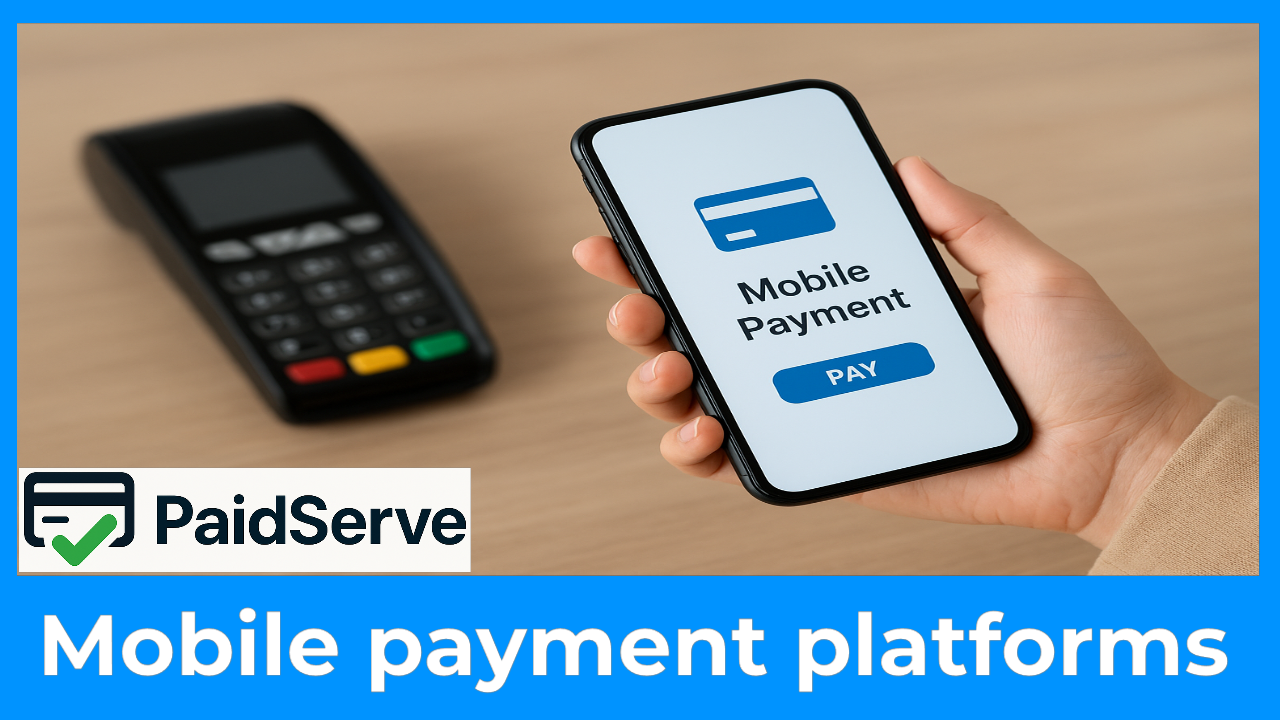
In today’s fast-paced digital world mobile payment platforms have completely transformed the way people buy, sell and send money. Instead of carrying cash or swiping a plastic card users can now pay for anything from morning coffee to online shopping with just a tap on their smartphones.
The rise of mobile wallets like Apple Pay, Google Pay and PayPal has made transactions faster, safer and more convenient than ever before. Businesses of all sizes are embracing these technologies to improve customer experience and streamline payment processes.
As mobile technology continues to evolve mobile payment platforms are becoming a key part of the global financial ecosystem connecting millions of users and businesses through secure contactless and instant transactions.
What Are Mobile Payment Platforms?
Mobile payment platforms are digital systems that allow users to make financial transactions directly from their smartphones or tablets. Instead of using cash, checks, or physical cards payments are made electronically through mobile apps or wallets connected to a user’s bank account or credit card.
These platforms simplify the entire payment process whether it’s paying in-store, sending money to a friend, or purchasing products online. They use technologies like NFC (Near Field Communication), QR codes and tokenization to ensure that every transaction is both fast and secure.
There are two main types of mobile payment platforms:
- Mobile Wallets (e.g., Apple Pay, Google Pay): store your card information digitally and let you pay with your phone at contactless terminals.
- Mobile Payment Apps (e.g., PayPal, Venmo, Cash App): enable peer-to-peer transfers and online purchases with just a few taps.
In essence, mobile payment platforms are replacing the traditional wallet offering a convenient contactless and secure way to pay anytime anywhere.
How Mobile Payment Platforms Work
While mobile payments may seem effortless, there’s a complex and highly secure process happening behind the scenes. Mobile payment platforms rely on advanced technologies to ensure that every transaction is safe, verified, and completed in seconds.
Here’s how it typically works:
User Setup
The user downloads a mobile payment app and links their debit card, credit card, or bank account. The platform encrypts this information to protect it from unauthorized access.
Payment Authorization
When making a purchase either in-store or online, the user confirms the payment using their phone. This can be done via fingerprint, face recognition, or PIN, adding an extra layer of security.
Transaction Transmission
The payment details are transmitted securely using NFC, QR codes, or online encryption protocols. The sensitive data is replaced with a unique token, meaning the actual card number is never shared with the merchant.
Verification and Completion
The transaction is verified by the payment processor and the user’s bank. Once approved, the funds are transferred, and both parties receive instant confirmation.
Through this seamless process, mobile payment platforms make digital transactions faster, safer, and more convenient than traditional payment methods.
Top Mobile Payment Platforms in 2026
As mobile payments continue to grow globally, several platforms have emerged as leaders in providing secure, fast, and user-friendly digital payment solutions. Here are the top mobile payment platforms in 2026 that dominate the market and set the standards for convenience and innovation.
1. Apple Pay
Apple Pay remains one of the most popular platforms, especially among iPhone users. It uses NFC technology for contactless payments in stores and supports online and in-app transactions. With Face ID and Touch ID, it offers one of the most secure payment experiences.
- Best for: iPhone users, contactless store payments, online shopping.
2. Google Pay
Google Pay combines convenience and simplicity for Android users. It supports both in-store and online purchases and allows users to store multiple cards and loyalty programs in one app. Its integration with Google services makes it a top choice for Android ecosystems.
- Best for: Android users, businesses using Google Workspace, easy global transfers.
3. Samsung Pay
Samsung Pay stands out for its ability to work on both NFC and magnetic stripe terminals, giving it broader compatibility. It also offers rewards and cashback for frequent users, making it popular in markets like Asia and the Middle East.
- Best for: Samsung device users, global travelers, loyalty rewards.
4. PayPal
A pioneer in online payments, PayPal has evolved into a complete mobile payment solution. It supports peer-to-peer transfers, online purchases, and even credit card processing for businesses. Its global reach and strong buyer protection make it a trusted option worldwide.
- Best for: Freelancers, e-commerce transactions, international payments.
5. Venmo
Owned by PayPal, Venmo focuses on peer-to-peer payments with a social twist — allowing users to share payment notes or emojis with friends. It’s especially popular among younger generations for splitting bills, rent, and purchases.
- Best for: Personal payments, friends, small peer groups.
6. Cash App
Cash App combines payments with financial tools like stock trading, Bitcoin purchasing, and direct deposits. It’s a favorite in the U.S. for its ease of use and quick transfer speed.
- Best for: Everyday money transfers, small business payments, crypto-friendly users.
Quick Comparison Table
| Platform | Best For | Key Features | Device Compatibility |
| Apple Pay | iPhone users | Face ID, NFC, privacy | iOS devices |
| Google Pay | Android users | Easy integration, loyalty cards | Android / Web |
| Samsung Pay | Samsung users | NFC + Magnetic support | Samsung devices |
| PayPal | Online & global payments | Buyer protection, business tools | All devices |
| Venmo | Peer-to-peer | Social payments | iOS / Android |
| Cash App | Everyday use, crypto | Bitcoin & stock trading | iOS / Android |
Benefits of Using Mobile Payment Platforms
The growth of mobile payment platforms isn’t just a trend it’s a reflection of how technology is making everyday transactions smarter and more efficient. Both consumers and businesses are turning to mobile payments for their speed, security, and convenience.
Here are some of the top benefits:
1. Convenience and Speed
Mobile payments allow users to complete transactions with just a tap or scan no need to carry cash or cards. Whether shopping online or in-store, the process is faster, reducing waiting times and checkout lines.
2. Enhanced Security
Mobile payment platforms use advanced technologies like encryption, tokenization, and biometric verification (fingerprint or face ID). These layers of protection reduce the risk of fraud, making mobile payments more secure than traditional methods.
3. Contactless and Hygienic
Especially after the global pandemic, contactless payments have become essential. Mobile wallets eliminate the need to touch terminals or exchange cash, offering a safer and more hygienic payment method.
4. Integration with Loyalty and Rewards Programs
Many platforms, such as Google Pay and Samsung Pay, automatically connect with loyalty programs, coupons, and rewards. This gives users instant access to discounts while making payments.
5. Better Financial Management
Mobile payment apps often include transaction history, spending analytics, and budgeting tools, helping users track their expenses easily and make smarter financial decisions.
6. Global Accessibility
With mobile payment platforms, users can make payments and transfers internationally in seconds no need for bank visits or currency exchanges. Businesses can also reach global customers more efficiently.
In short, mobile payment platforms combine convenience, safety, and smart technology, empowering users to manage their finances anytime, anywhere.
Challenges and Limitations of Mobile Payment Platforms
While mobile payment platforms offer unmatched convenience and innovation, they also face several challenges that affect both users and businesses. Understanding these limitations is essential before fully relying on mobile-based transactions.
1. Security and Privacy Concerns
Although mobile payments use encryption and biometric verification, they’re not entirely immune to cyberattacks or phishing scams. Hackers may target weak passwords or unsecured Wi-Fi networks to steal sensitive information.
- Tip: Always enable two-factor authentication and avoid making payments on public networks.
2. Limited Merchant Acceptance
Not all merchants, especially in developing regions, support mobile payments. Some small businesses still rely on cash or traditional card readers, which can make mobile payments less practical in certain areas.
3. Dependence on Internet and Battery
Mobile payments require a stable internet connection and sufficient phone battery life. Losing connectivity or running out of battery can instantly block your ability to complete a transaction.
4. Transaction Fees for Businesses
For merchants, some mobile payment platforms charge higher processing fees compared to traditional card readers. Over time, these costs can add up, especially for small businesses with tight profit margins.
5. Device and Platform Compatibility
Certain platforms work only on specific devices or operating systems for example, Apple Pay is limited to iOS users, while Samsung Pay only works on Samsung devices. This fragmentation can be inconvenient for users who switch between devices.
6. Consumer Trust and Adoption
Despite the growth of mobile wallets, many consumers still prefer traditional payment methods due to habit or concerns about data privacy. Building trust remains a major challenge for mobile payment providers.
In summary, while mobile payment platforms bring speed and innovation to the financial world, challenges like security, accessibility, and compatibility still need to be addressed for wider global adoption.
Future of Mobile Payments
The future of mobile payment platforms looks incredibly promising. As technology continues to advance, payments are becoming faster smarter, and more integrated into everyday life. Experts predict that within the next decade, mobile wallets could completely replace physical wallets for most consumers around the world.
1. Biometric and Voice Payments
Biometric authentication, such as fingerprint, facial, or even voice recognition, will continue to grow as a secure way to authorize transactions. This means users will soon be able to make payments without passwords or cards just with their identity.
2. Integration with Digital IDs
Governments and financial institutions are exploring digital ID systems that can be linked directly to mobile wallets. This could simplify KYC (Know Your Customer) verification and make mobile payments even more seamless and compliant.
3. Blockchain and Cryptocurrency Adoption
The rise of blockchain technology and digital currencies is set to reshape mobile payments. Some platforms already allow users to buy, sell, and store cryptocurrencies. In the future, blockchain could make payments faster, borderless, and nearly fee-free.
4. AI-Powered Financial Tools
Artificial intelligence (AI) will enhance mobile payment platforms by providing spending insights, fraud detection, and personalized offers. Smart algorithms will help users manage their money more efficiently and securely.
5. Expansion in Emerging Markets
As smartphone penetration increases, developing regions in Africa, Asia, and the Middle East are becoming major drivers of mobile payment growth. Platforms that focus on accessibility and low transaction costs will dominate these markets.
In short, the future of mobile payments will be more intelligent, more secure, and more inclusive. The combination of AI, biometrics, and blockchain will not only simplify payments but also redefine how people and businesses interact financially.
Mobile payment platforms have redefined the way people and businesses handle transactions in the digital era. What started as a convenient alternative to cash and cards has evolved into a powerful financial ecosystem that combines speed, security, and innovation.
From global giants like Apple Pay and Google Pay to peer-to-peer apps like Venmo and Cash App, mobile payment solutions are making financial interactions simpler and more accessible than ever before. However, as with any technology, challenges such as security risks, fees, and compatibility must be addressed to ensure continued trust and adoption.
Looking ahead, the future of mobile payments is bright powered by biometrics, blockchain, and AI. These technologies will make digital transactions even more seamless and personalized, creating a world where paying with your phone isn’t just an option, but the default way to pay.


